
Interested in our Ascorbyl Palmitate? Fill out the form below to request a quote, sample, or additional technical information.
Ascorbyl Palmitate: Premium Vitamin C Ester for Superior Antioxidant Protection

What is Ascorbyl Palmitate? The Complete Guide
Ascorbyl palmitate, also known as palmitate vitamin c, represents an innovative fat-soluble ester formed by combining ascorbic acid (vitamin C) with palmitic acid. This unique molecular structure creates a powerful antioxidant specifically designed for oil-based formulations. When consumers ask “is ascorbyl palmitate bad for you“, scientific evidence consistently demonstrates that when manufactured according to strict standards and used within recommended guidelines, this compound offers substantial benefits without adverse effects. Understanding the ascorbyl palmitate vs ascorbic acid distinction is crucial for selecting the appropriate form of vitamin C for your specific application needs.
The ascorbyl palmitate skin benefits have been extensively studied in dermatological research, revealing its superior ability to penetrate lipid barriers compared to water-soluble vitamin C. As ascorbyl palmitate vitamin c, this compound demonstrates enhanced stability in oil-based systems, making it ideal for food, cosmetic, and pharmaceutical applications where traditional vitamin C would prove ineffective. The question of “is ascorbyl palmitate safe” has been addressed through decades of research and practical application, confirming its safety profile when produced according to international quality standards.
Basic Product Specifications
- Product Name: Ascorbyl Palmitate
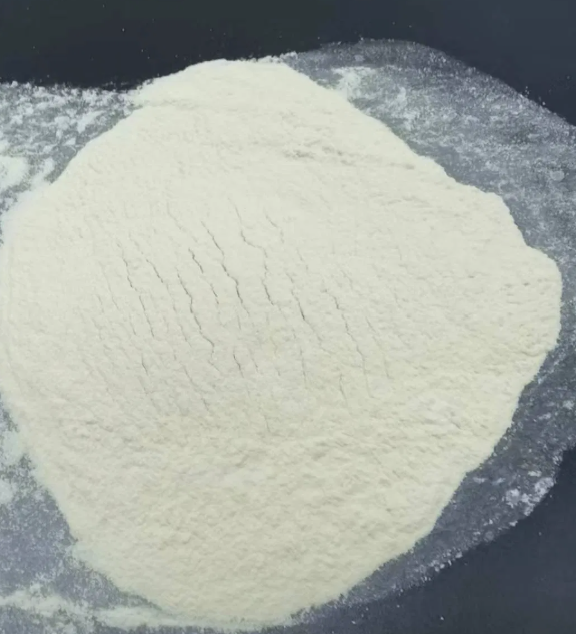
- Appearance: White or yellowish-white powder
- Chemical Name: L-Ascorbic acid 6-palmitate
- CAS Number: 137-66-6
- Grade: Food Grade (E304)
- Molecular Formula: C22H38O7
- Molecular Weight: 414.54 g/mol
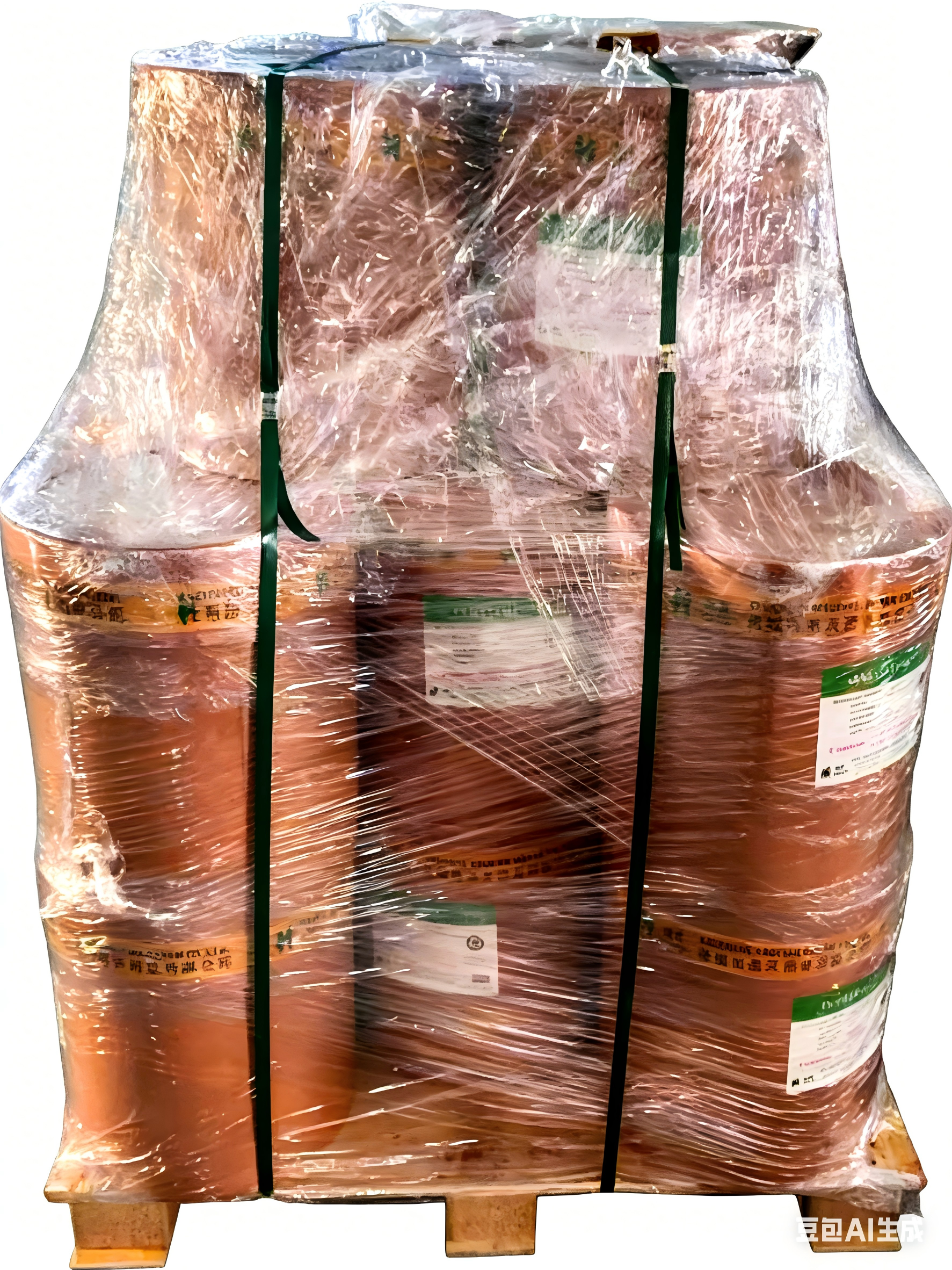
- Packaging: 25KG/DRUM (food-grade lined)
- Solubility: Soluble in fats and oils, insoluble in water
- Shelf Life: 24 months from manufacturing date
- Storage Conditions: Store in well-closed containers in cool, dry, ventilated areas away from direct sunlight and moisture
Ascorbyl Palmitate Specifications and Quality Standards
Our premium ascorbyl palmitate is manufactured under strict quality control protocols that meet or exceed international standards including BP (British Pharmacopoeia), USP (United States Pharmacopeia), FCC (Food Chemicals Codex), Ph.Eur. (European Pharmacopoeia), and E304 (European food additive code). Each production batch undergoes comprehensive analytical testing to ensure consistency, purity, and compliance with the highest industry requirements. Concerns about potential ascorbyl palmitate dangers are addressed through our rigorous testing procedures that verify the absence of harmful contaminants and ensure product safety.
| Test Parameter | Specification Standard | Test Method | Typical Results |
|---|---|---|---|
| Appearance | White or yellowish-white powder | Visual/Organoleptic | White crystalline powder |
| Identification | Positive by IR or HPLC | Ph.Eur. / USP | Positive |
| Assay (Content) | 98.0% – 100.5% | Ph.Eur. 2.5.12 / HPLC | 98.92% – 99.5% |
| Specific Rotation [α]²⁰D | +21.0° to +24.0° | USP <781> | +22.5° to +23.5° |
| Loss on Drying | ≤ 1.0% | USP <731> | 0.20% – 0.30% |
| Melting Point | 107°C – 117°C | USP <741> | 112°C – 115°C |
| Residue on Ignition | ≤ 0.1% | USP <281> | 0.05% – 0.08% |
| Heavy Metals (as Pb) | ≤ 10 ppm | Ph.Eur. 2.4.8 | < 5 ppm |
| Lead (Pb) | ≤ 2 ppm | USP <231> | < 1 ppm |
| Mercury (Hg) | ≤ 0.1 ppm | AAS / ICP-MS | < 0.05 ppm |
| Cadmium (Cd) | ≤ 1 ppm | AAS / ICP-MS | < 0.5 ppm |
| Arsenic (As) | ≤ 3 ppm | USP <211> | < 1 ppm |
| Microbiological Quality | Meets Ph.Eur. requirements | Ph.Eur. 2.6.12, 2.6.13 | Conforms |
Ascorbyl Palmitate Applications and Usage Recommendations
The versatility of ascorbyl palmitate vitamin c extends across multiple industries, each benefiting from its unique fat-soluble properties. Understanding the practical differences between ascorbyl palmitate vs ascorbic acid allows formulators to select the optimal vitamin C form for their specific product requirements. The ascorbyl palmitate skin benefits are particularly valued in cosmetic science, while its antioxidant properties in food applications address common questions about “is ascorbyl palmitate bad for you” by providing a safe, effective means of preventing oxidative rancidity.
Food Industry Applications
As food additive E304, ascorbyl palmitate serves as a powerful antioxidant in fat-containing food products:
- Edible Oils & Fats: Prevents oxidative rancidity in vegetable oils, margarine, butter, and shortenings
- Processed Meats: Extends shelf life, maintains color stability in sausages, bacon, and cured meats
- Bakery Products: Protects against oxidative spoilage in pastries, cakes, and breads containing fats
- Snack Foods: Maintains freshness in potato chips, nuts, fried snacks, and convenience foods
- Dairy Products: Prevents oxidation in butter, cheese, cream, and dairy-based spreads
- Nutritional Supplements: Provides stable vitamin C in oil-based supplement formulations
Ascorbyl Palmitate Skin Benefits in Cosmetics
The ascorbyl palmitate skin benefits have been extensively documented in cosmetic science research:
- Antioxidant Protection: Neutralizes free radicals from UV exposure and environmental pollutants
- Collagen Synthesis: Stimulates collagen production for improved skin elasticity and firmness
- Skin Brightening: Reduces hyperpigmentation, evens skin tone, and diminishes age spots
- Anti-Aging Effects: Diminishes fine lines, wrinkles, and other visible signs of aging
- Enhanced Stability: More stable than ascorbic acid in cosmetic formulations with longer shelf life
- Improved Penetration: Fat-soluble nature allows better absorption through the skin’s lipid barrier
Pharmaceutical & Nutraceutical Applications
In pharmaceutical formulations, ascorbyl palmitate serves multiple critical functions:
- Antioxidant Stabilizer: Protects oxidation-sensitive active pharmaceutical ingredients
- Lipid-Based Delivery: Enhances bioavailability in lipid-based drug delivery systems
- Vitamin C Source: Provides stable vitamin C in fat-soluble supplement formulations
- Topical Preparations: Serves as antioxidant and stabilizer in ointments, creams, and gels
- Preservative Function: Extends shelf life of oxidation-prone pharmaceutical products
- Synergistic Effects: Works synergistically with other antioxidants like vitamin E
Packaging and Storage Information
Our ascorbyl palmitate is professionally packaged to ensure maximum protection and shelf stability. We utilize food-grade, moisture-resistant packaging that complies with international standards for food and pharmaceutical ingredients.
Packaging Specifications
- Primary Packaging: Double-lined food-grade polyethylene bags
- Secondary Packaging: High-density polyethylene (HDPE) drums with secure closures
- Standard Package Size: 25 kg net weight per drum
- Custom Packaging: Available upon request (1kg, 5kg, 10kg, or other sizes)
- Labeling: Each drum includes comprehensive labeling with product information, batch number, manufacturing date, expiration date, storage instructions, and safety data
Storage Conditions
- Temperature: Store at 15°C – 25°C (59°F – 77°F)
- Humidity: Maintain relative humidity below 65%
- Light Protection: Store in opaque containers away from direct sunlight
- Ventilation: Ensure adequate ventilation in storage areas
- Separation: Store away from strong oxidizing agents, acids, and alkaline substances
- Shelf Life: 24 months from manufacturing date when stored under recommended conditions
- Re-closure: Reseal containers immediately after use to prevent moisture absorption
Certifications and Quality Assurance
We maintain the highest quality standards through comprehensive certifications and rigorous quality control systems. Our manufacturing facilities adhere to international standards to ensure consistent product quality, safety, and traceability. Addressing concerns about ascorbyl palmitate dangers begins with stringent quality assurance protocols that exceed regulatory requirements.

ISO Certified

Kosher Certified

Halal Certified
Frequently Asked Questions About Ascorbyl Palmitate
Yes, ascorbyl palmitate is generally recognized as safe (GRAS) when used according to established guidelines. It is approved as food additive E304 by major regulatory bodies worldwide including the U.S. Food and Drug Administration (FDA), European Food Safety Authority (EFSA), and Codex Alimentarius. When used within recommended limits (typically 0.01-0.02% based on fat content), it serves as an effective antioxidant to prevent rancidity and extend shelf life without safety concerns.
The primary differences between ascorbyl palmitate vs ascorbic acid involve solubility, stability, and application suitability. Ascorbic acid is water-soluble and ideal for aqueous systems, while ascorbyl palmitate is fat-soluble and performs better in oil-based formulations. Ascorbyl palmitate also demonstrates enhanced stability in lipid environments and better penetration through lipid barriers, making it particularly valuable for skincare applications.
When used as directed within recommended guidelines, ascorbyl palmitate presents minimal risks. However, as with any chemical substance, proper handling procedures should be followed during manufacturing and formulation. Our products undergo rigorous testing to ensure they meet strict purity standards, effectively addressing potential ascorbyl palmitate dangers through comprehensive quality control.
Ascorbyl palmitate skin benefits are well-documented in dermatological research. Its advantages include enhanced penetration through the skin’s lipid barrier, antioxidant protection against environmental damage, collagen stimulation for firmer skin, brightening effects on skin tone, improved stability in formulations, and anti-aging properties that reduce visible signs of aging.
How to Choose the Right Ascorbyl Palmitate Supplier
Selecting a reliable ascorbyl palmitate supplier is critical for ensuring product quality, consistency, regulatory compliance, and supply chain stability. With numerous suppliers in the market, evaluating potential partners based on comprehensive criteria ensures you make an informed decision that supports your business objectives and quality requirements.
Quality Certifications and Standards Compliance
A reputable supplier should hold recognized certifications such as ISO, Kosher, Halal, and comply with international standards (BP, USP, FCC, Ph.Eur.). These certifications demonstrate a systematic approach to quality management and manufacturing excellence.
Manufacturing Expertise and Technical Support
Evaluate the supplier’s technical capabilities, research and development facilities, and ability to provide formulation support. A knowledgeable supplier should offer guidance on optimal usage levels, compatibility with other ingredients, and solutions to formulation challenges.
Product Consistency and Quality Assurance
Consistent quality across batches is essential for reliable production. Inquire about the supplier’s quality control procedures, batch testing protocols, and track record for consistency. Request Certificates of Analysis for recent batches to verify quality parameters.
Regulatory Compliance and Documentation
Ensure the supplier provides complete regulatory documentation including Certificates of Analysis (CoA), Material Safety Data Sheets (MSDS), technical data sheets, and compliance certificates for your target markets (FDA, EFSA, etc.).

Contact Us for Premium Ascorbyl Palmitate
As a leading supplier of high-quality ascorbyl palmitate, we are committed to providing exceptional products backed by technical expertise, reliable service, and comprehensive support. Whether you need samples for evaluation, competitive quotations, technical consultation, or customized solutions, our experienced team is ready to assist you with your specific requirements.
📞 Phone: +86-27-8329 8801
📱 Email: contact@nutrition-ingredients.net
Our Partner: www.srikro.com



Reviews
There are no reviews yet.